
From your neighbors in Lowell

Keeping Lowell in the Loop

Your reliable neighbor for over 10 years. The City Council's moratorium puts Lowell's jobs, services, and one of its largest investments at risk. It doesn't have to.

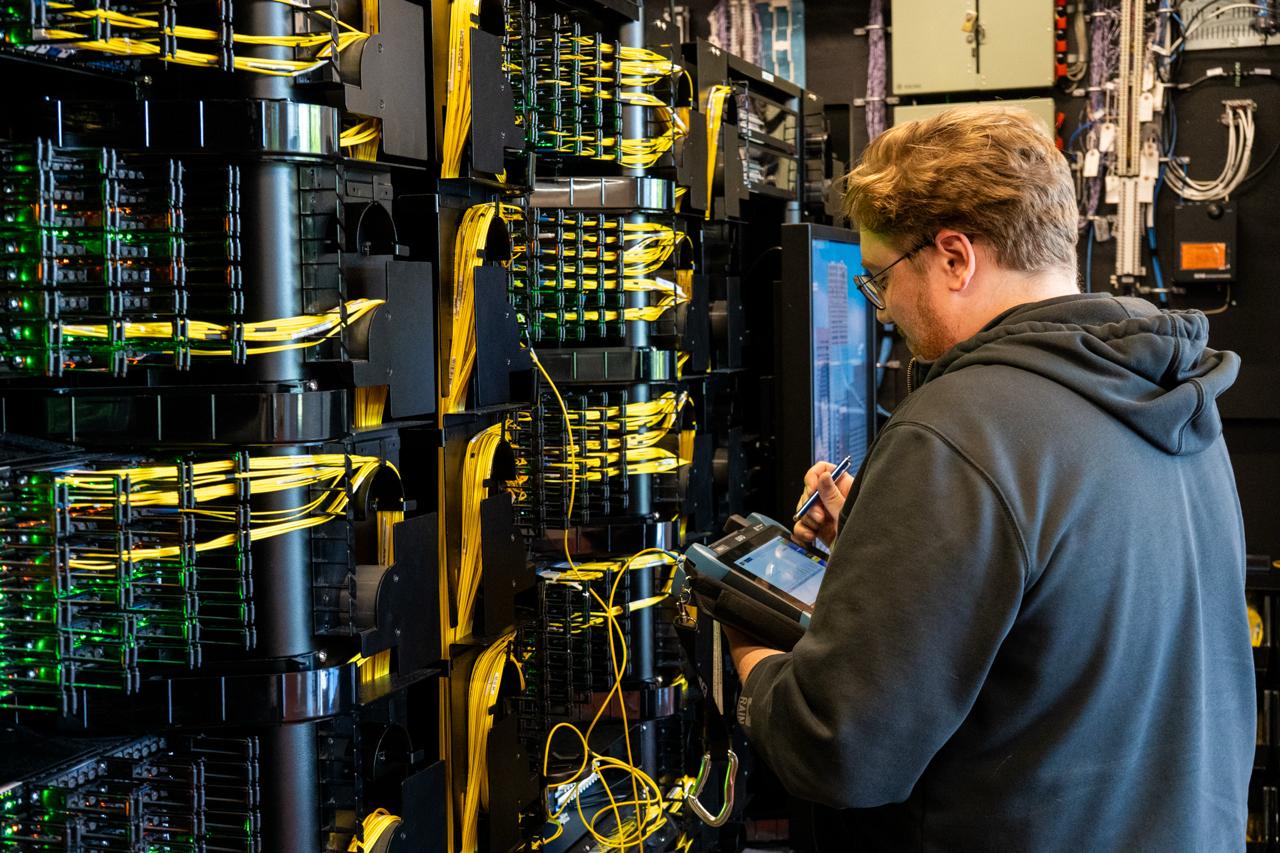
A smiling Markley data center technician in the server hall
Facts, not fiction

There's been a lot of dishonesty. Here's the truth.

Most of it is about facilities that look nothing like Markley. Let's set the record straight.

Myth

Markley is the kind of giant AI data center straining communities across the country.

Fact

Markley operates at a fraction of the scale of the hyperscale facilities in the news. It's a community-based, multi-tenant facility that has served Lowell for over a decade and the Boston region for far longer, supporting hospitals, banks, universities, and public safety agencies, not the global workloads of a single tech company. As noted by the New York Times, "That's different from the hyperscale data centers that are built to serve the needs of global technology companies."

Myth

Data centers like this drain local water.

Fact

Markley uses both evaporative and closed-loop cooling. At the summer peak, the Lowell facility uses at most 118,000 gallons a day, just under one percent of the entire city's daily water use and about 0.4% of the city's total capacity. Its 12-month daily average is around 90,000 gallons (67,000 in winter, 118,000 in summer), per 2025 Markley Lowell water bills. For comparison, UMass Lowell's projected daily average is about 284,000 gallons, more than twice what our facility uses at its peak.

Myth

The emergency backup generators are as loud as a jet engine and run for long periods of time.

Fact

With our sound attenuation investment, a backup generator produces only about 44 decibels, quieter than a soft conversation three feet away (55 decibels, per the Federal Highway Administration's reference levels). As for how often they run: a backup generator is backup only. It engages during an actual power disruption, plus a brief weekly test of about five minutes per unit—one generator at a time. Altogether that's roughly five minutes a week, about 14 hours a year. Massachusetts permits allow up to 50 hours a year for testing and maintenance; last year our Lowell generators ran about 14 hours, less than a third of the limit.

Myth

This facility is an AI project that just showed up.

Fact

Markley has been part of Lowell since 2015 and operating in Boston since the 1990s. AI is one part of a diverse and growing set of customer needs, but it isn't what defines the facility. If you've banked online or used the internet in Massachusetts over the past decade, there's a good chance a Markley data center helped make it possible.

Myth

The Markley Lowell data facility is driving down real estate values in Lowell.

Fact

According to a recent analysis by NeighborhoodScout, Lowell has experienced some of the highest home appreciation rates of any community in the nation in the last 10 years. Lowell real estate appreciated 113.11% over the last ten years, which is an average annual home appreciation rate of 7.86%, putting Lowell in the top 20% nationally for real estate appreciation. A home on Moore St. adjacent to the Lowell facility recently sold for $605,000—well above the average Lowell home value.

Myth

The Markley facility is making the air unhealthy.

Fact

An independent engineering analysis from VHB Engineering found that over the course of a year, Markley's backup generators on the Lowell campus put out about as much particulate matter as 5 homes heated with oil or 9 homes heated with gas. Markley has also invested more than $700,000 per backup generator in the latest emission-control technology, which removes about 98% of particulate matter. The campus itself is getting greener: Markley has planted more than 2,000 trees.

Myth

Water runoff from the facility is making water less safe.

Fact

To ensure the quality of water runoff, Markley spent millions to install a complex filter system that provides a modern, efficient, and environmentally friendly approach that meets EPA regulations. The system captures and holds stormwater to reduce runoff and releases it at a controlled rate to allow it to percolate into the ground to replenish groundwater supplies.

Myth

Markley has not given back to the Lowell community.

Fact

Since opening a decade ago, Markley has donated to various charities and community organizations, including the Lowell Folk Festival, the Mill City Festival, the Merrimack Valley Food Bank, the Tsongas Center at UMass Lowell, Lowell City of Lights and the Sun Santa Fund.

Myth

Markley doesn't pay its fair share in taxes.

Fact

Markley paid the city approximately $1,500,000 in Property Taxes, Permit Fees, Water/Sewer Fees and Fire Watch services in the first half of 2026. If Markley had not purchased and redeveloped the property, Property Taxes are projected to have been approximately $85,000 annually.

How you can help

Your voice makes a difference

Here's how to stand up for Lowell. Every one of these takes just a few minutes.

1
Takes 10 seconds

Sign the petition

Tell the Council you support Markley and want the moratorium lifted. Every signature counts.

Sign the petition
2
Takes 2 minutes

Contact your Council member

A short, personal message from a constituent carries real weight. We've made it easy.

Contact the council
3
Your experience matters

Share your story

Work at Markley, rely on its services, or live nearby? Share your story here.

Share your story
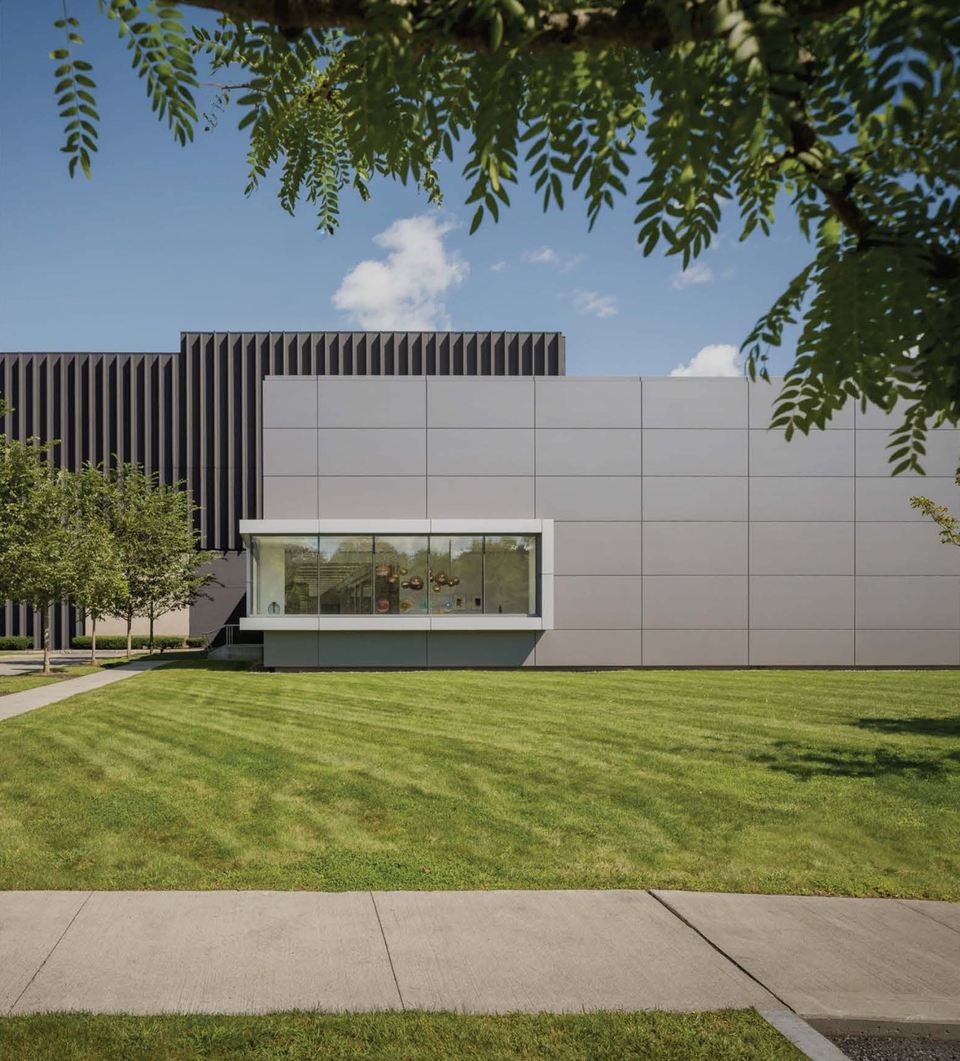
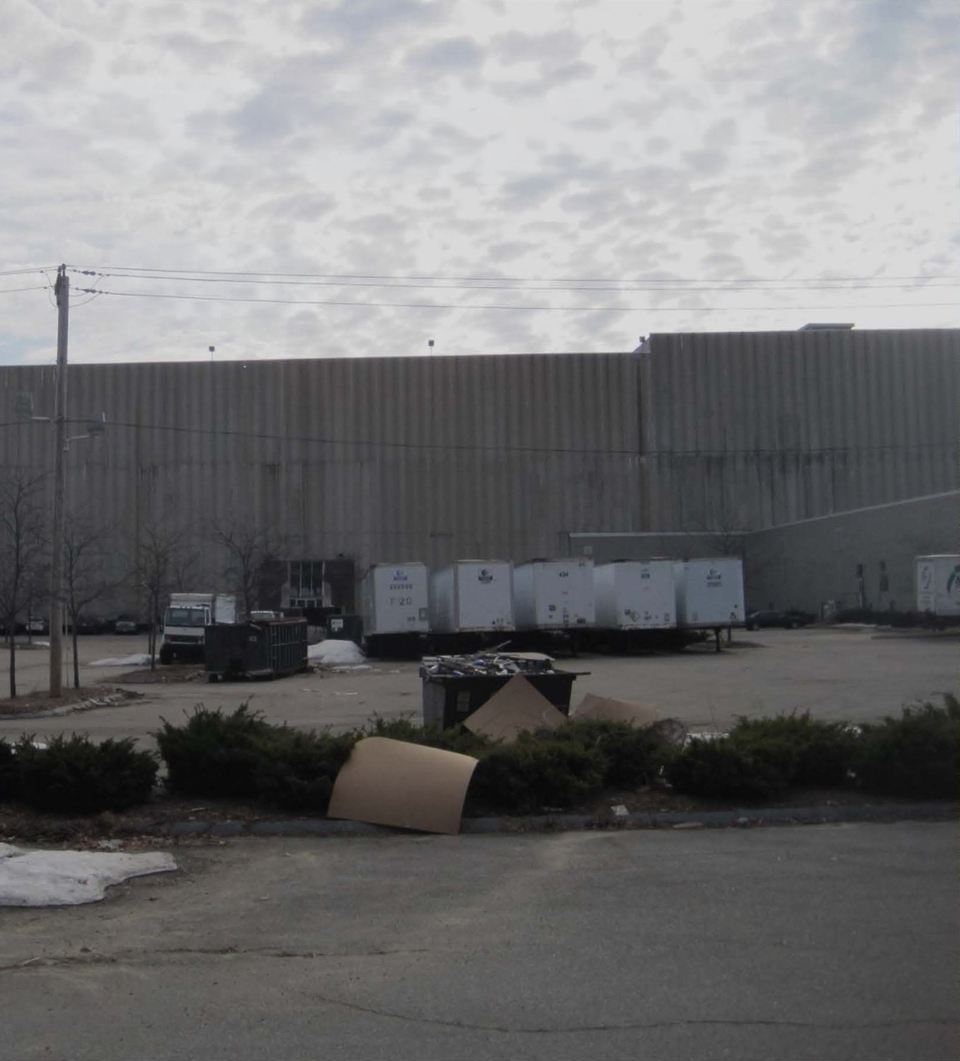
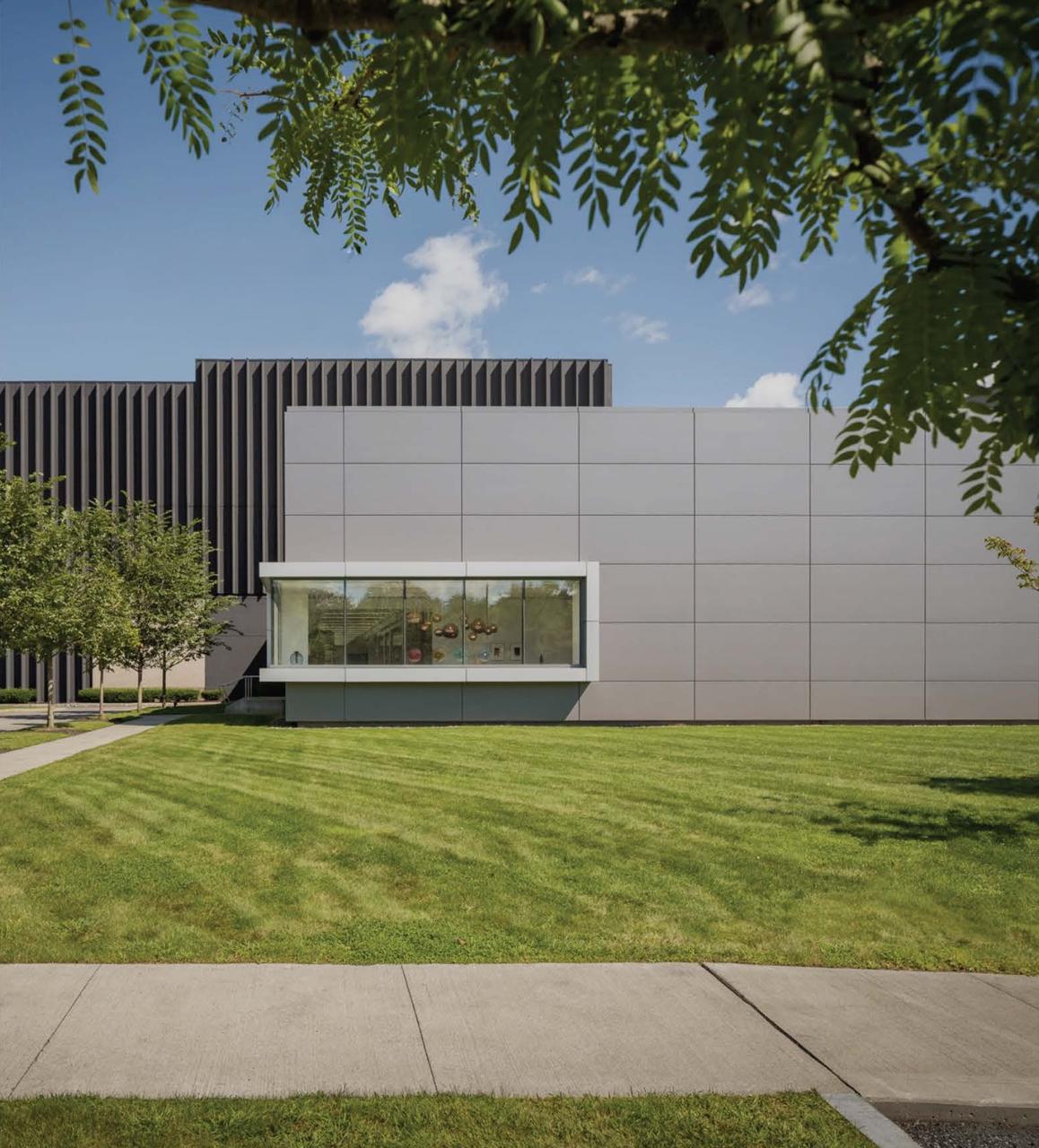
The restored Markley building and grounds in Lowell, after redevelopmentThe same Lowell site before redevelopmentBeforeAfter
Drag to compare
From empty factory to community asset

A neighbor that put something back

For years, the old Prince Macaroni plant sat empty on the edge of Lowell. Markley changed that.

The company invested more than $650 million to redevelop the dilapidated 350,000-square-foot building into a state-of-the-art facility, while rehabilitating the structure that had defined that part of the city for generations.

From The New York Times:

“The data center in Lowell, which supports the digital infrastructure of public safety agencies, universities, hospitals, and other regional institutions, was built on an abandoned site used as a dumping ground.”

The New York Times — June 17, 2026

From CBS News:

“The Markley data center is a mammoth building. It was built by Markley in 2015 on the site of an old Prince Spaghetti factory. Markley cleaned up the lot, painted the building black and set up a complex digital warehouse which stores data from more than a hundred customers ranging from hospitals to universities to police stations.”

CBS News — June 22, 2026
Not all data centers are the same

Markley is the opposite of what you're picturing

When people hear “data center” these days, they tend to picture the giant facilities that make national headlines: single-customer complexes built to run the global workloads of one huge tech company, usually with a heavy draw on local water and power.

Hyperscale

The facilities in the headlines

A private cloud built for one corporation. A single customer at enormous scale, with a big appetite for local water and power. That's the image most people carry around, and it isn't Markley.

Colocation

What Markley actually is

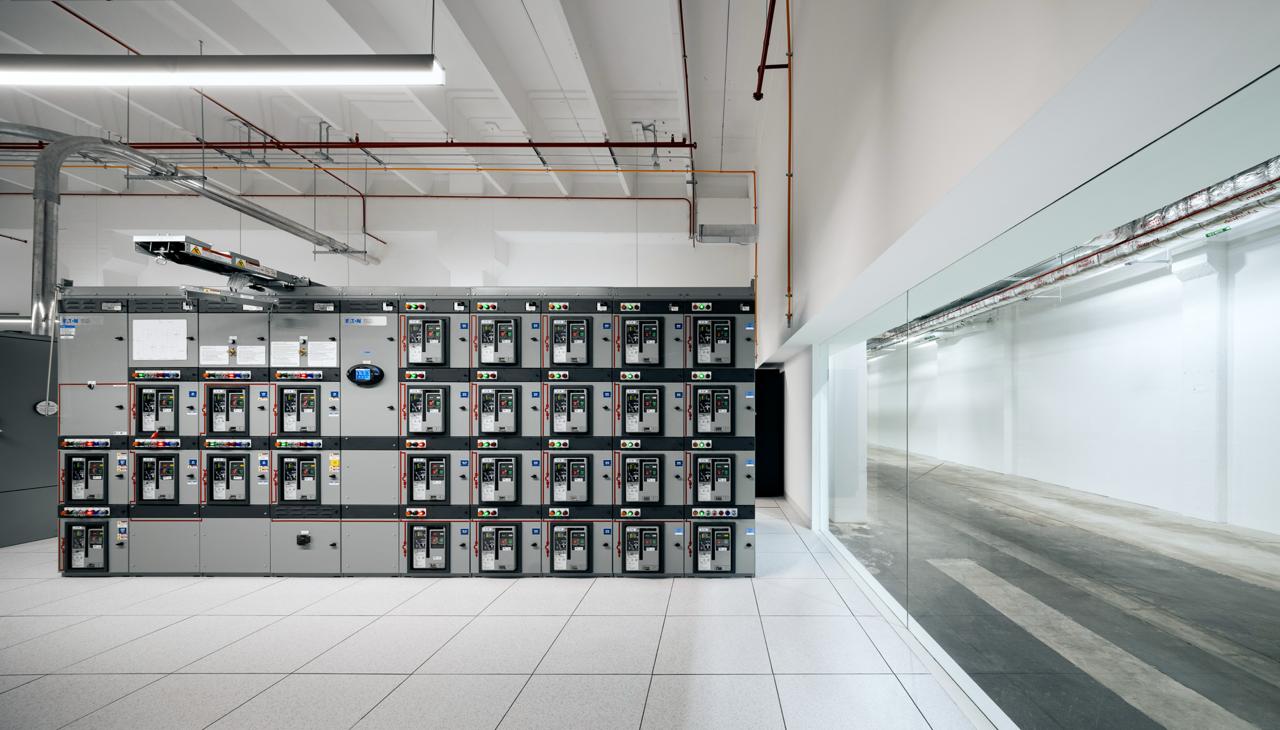
This is a colocation data center. Markley owns and operates the building, including its power, cooling, and connectivity, and local and regional organizations rent secure space inside to run their own technology. Rather than a private cloud for one corporation, it's a multi-tenant facility serving the surrounding community. This is everyday critical infrastructure, not a speculative build-out.

NBC10 Boston's report

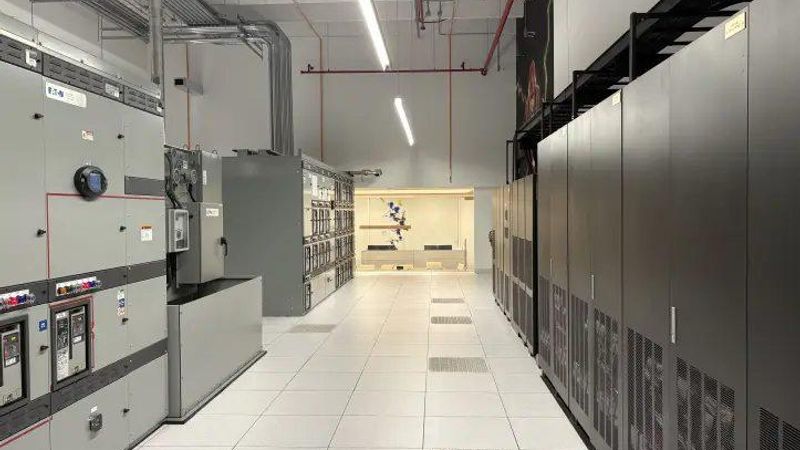
A Markley worker walking the aisle of a data hall
Everyday critical infrastructure

The digital backbone our region runs on

Markley serves more than 500 customers and acts as the digital backbone of Massachusetts and New England. Its clients range from hospitals and universities to financial services, insurance, transportation, telecommunications, government, and public-safety and first-responder systems—the everyday infrastructure the region relies on: health records, emergency services, public transit, financial systems, and research computing. That's fundamentally different from the hyperscale facilities dominating national headlines, where single-customer campuses are built for one global tech company. Most of the computing here runs on CPUs, with some GPUs, kept online every day by people who live and work right here.

In their own words

The people behind Lowell's data center

I've been a member of IBEW Local 103 for over twenty years, and I've worked on a lot of projects across this state. What Markley built in Lowell is genuinely state-of-the-art. People hear "data center" and picture a room full of computers, but Markley is the digital backbone our hospitals, universities, and public safety agencies depend on. A moratorium doesn't protect anyone. It threatens the livelihoods of the working families I represent. This is exactly the kind of project Massachusetts needs more of, not less.
Lou Antonellis
Business Manager, IBEW Local 103
I own a home in Lowell, and I've watched this city work hard to build its future. That site sat empty for years; it wasn't creating jobs or doing anything for the community. Lowell needed this kind of investment for decades, and Markley delivered it. This isn't just good for business. It's good for the people who live here.
Jaclyn Casey
Manager, Markley Group · Lowell resident
Contact the city council

A two-minute phone call carries real weight

A short, personal call from a constituent is one of the most effective things you can do. Call the Council and tell them, in your own words, why you want the moratorium lifted—whether you work at Markley, rely on its services, or simply believe Lowell is stronger with it here.

Call the council

A few things you might mention

  • Your connection to Lowell, and how long you’ve lived or worked here
  • Why the jobs and services Markley supports matter to you
  • A respectful ask: please reconsider and lift the moratorium
Join the conversation

Follow along and help spread the word

Sharing this page with neighbors is one of the most powerful things you can do. Follow the campaign, post why Markley matters to you, and tag a friend.

In your words

Share your story

Nobody can speak to what we mean to this city better than the people who live and work here. We'd be glad to hear from you, and grateful for anything you're willing to share.

Your voice matters

Whether you work at Markley, rely on its services, live nearby, or simply believe this facility is an asset to Lowell, we want to hear from you.

Your story helps the City Council understand what Markley means to this community. It's a chance to put a human face on the jobs, services, and investments that make Lowell stronger.

Share as much or as little as you'd like. Every voice counts.

Tell us about your experience

Your story can make a difference.

We'll use your story to support this campaign. No spam, ever.

Thank you for sharing

Your story has been received. Stories like yours help the Council understand what Markley means to this community.

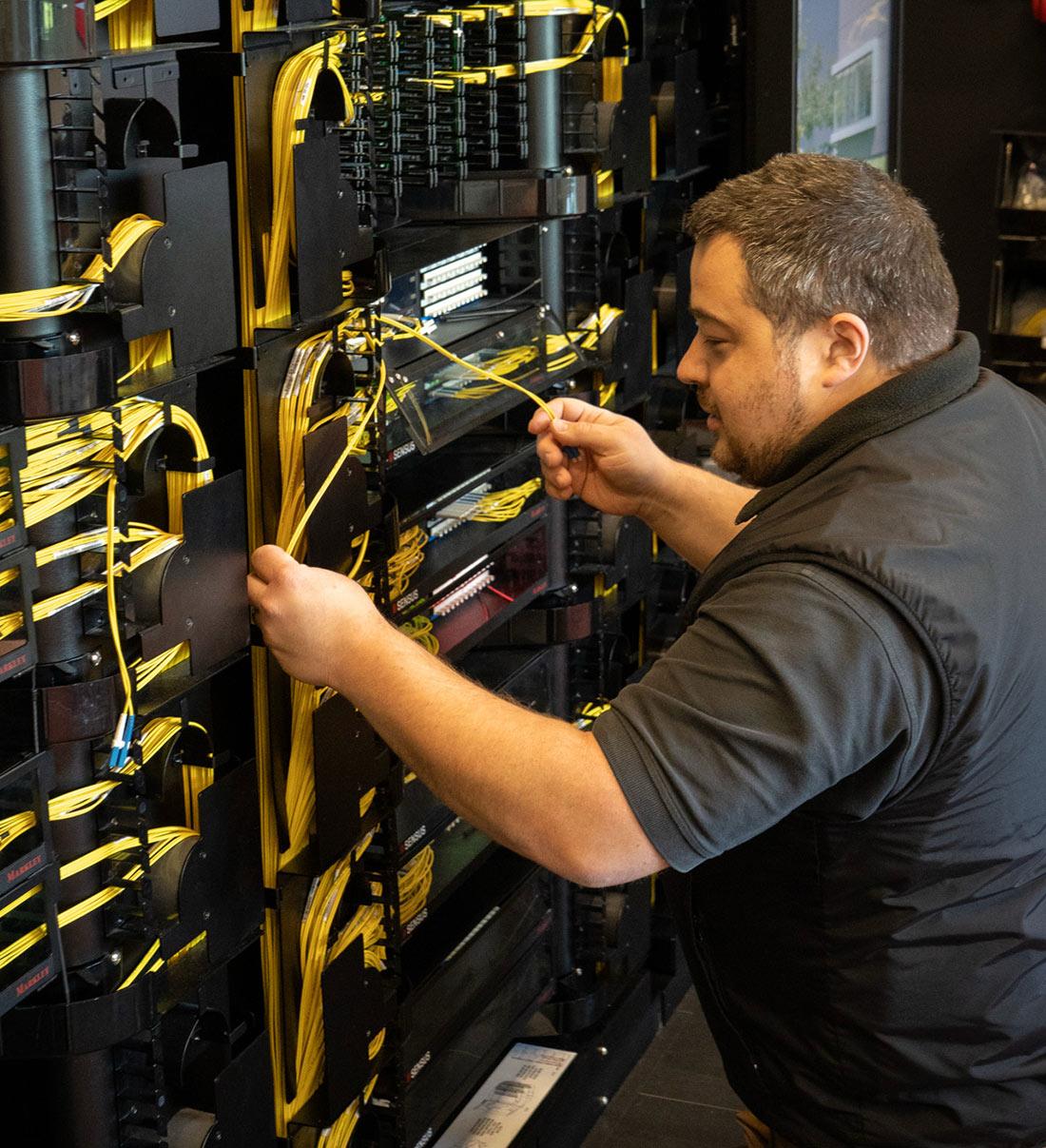
A technician installing a server inside the Markley data center
About Markley

Nearly three decades serving New England

The Markley Group is a New England-based company that has operated data centers in the region for nearly three decades. Founded in 1991 and headquartered in Boston, Markley owns and operates one of the largest carrier-neutral data centers in New England, along with its Lowell facility. As a privately held company in business for over three decades, Markley has always taken the long view, investing in state-of-the-art technology that meets the highest environmental standards and benefits its clients, its community, its facility, and its employees.

Markley's customers include hospitals, financial institutions, universities, law firms, and regional businesses—organizations that need their technology to be secure, always available, and professionally managed.

Stand with Markley · Sign the petition